


+331%page 1 rankings on Google
Tiimo
Six months of structural and on-page work took Tiimo from 188 to 812 keywords on page 1 of Google, with organic traffic up 442% over the same period.

On-page SEO is the work on the pages you already have: titles, meta descriptions, headings, internal linking and how well the page matches search intent. Small changes on the right pages often move more than a batch of new articles, in classic search and in AI answers alike. It is a core delivery in Baseline.
A page sitting halfway down page one has already proved it is relevant. What it usually lacks is sharper signals: a title that matches the query, a structure that answers the question, and internal links from the pages that carry weight.
So this is where we start. The wins arrive faster than they do from new content, and every position gained builds momentum and authority for the bigger work with topic clusters and sprints.
Most websites have a long tail of pages ranking just outside the visible zone: the bottom of page one, the top of page two. Their relevance is not in question. What is missing tends to be the signals around them, the title, the structure, the links and the angle the page takes.
Meanwhile search has spread across more surfaces. AI engines such as ChatGPT, Perplexity and Google AI Overviews pick their sources on exactly the things on-page SEO governs: clear titles, structure that answers the question, and pages with visible authority on the topic. So the sharper you make a page for Google, the more likely a model is to lift an answer out of it.
We start in your data: rankings, clicks and the internal link graph. Morrison, our own platform, has already read your entire website, so we can see quickly where the gap between current position and real potential is smallest.
Then we work through the pages one by one. Does the title match the query? Do the headings answer the intent behind it? Is the page getting the internal links its role deserves? And how does it fare in AI answers: does it get cited, or does a competitor?
Then we execute. New titles and meta descriptions, tighter heading structures, and internal linking that ties your topic clusters together, implemented directly in your CMS or handed over ready to ship for your own team.
A prioritized list of the pages where effort moves the most: what needs to change, why, and in which order. Sorted by how much there is to gain relative to the work involved.

You run a site with history behind it: category pages nobody ever optimized, articles with authority but a blurry angle, and pages hovering between position eight and fifteen. That is where the raw material is richest and the results come quickest.
You want visible progress while the bigger plan is being built. Changes to existing pages get recrawled and reassessed faster than new content can accumulate authority, which is why on-page is usually the first thing to bend the curve in a Baseline.
Titles and meta descriptions are the first thing both people and machines read. We rewrite them to match the query precisely and make the choice easy in the results. No clickbait, because the page has to deliver whatever the title promised.
Heading structure decides whether a page answers the question or merely circles the topic. We tighten the H1 and the subheadings so the argument stands clear for the reader, and so AI engines can lift a precise answer straight out of the page.
Internal linking is the most underrated lever you have. We route authority from the strong pages to the ones that need lifting, with anchor text that makes the topic and the entities involved unmistakable to search engines and AI models alike.
Matching search intent is often the whole difference between mid-page and top of page. A category page answering an informational query, or a guide trying to sell, is fighting its own angle. We fix the angle before anyone writes another word.
Cannibalization gets cleaned up along the way. When two pages compete for the same query, we pick the stronger one, consolidate the content and point every signal in the same direction.
All of it prioritized by business value: the pages closest to revenue or leads go first. Our cases show what that prioritization tends to do to the curves.
Technical SEO is the foundation: crawling, indexing, speed and structure. On-page is the pages themselves: titles, meta, headings, internal linking and intent match. Both sit inside Baseline and they depend on each other. The technical work makes pages available, on-page makes them worth choosing.
Pages that already rank get recrawled and reassessed continuously, so changes to them tend to register faster than new content can build itself up. We measure per page from day one, so you can follow the movement instead of waiting for a quarterly report.
Whichever you prefer. We can work directly in your CMS, or hand everything over ready to ship: new titles, meta descriptions, headings and link plan, page by page. Most clients land on a mix, where we take the bulk and their team takes whatever needs internal knowledge.
It is a fair concern, and the reason we never change everything at once. We prioritize, ship in controlled batches and measure per page. If something dips unexpectedly, we see it quickly and roll it back. The goal is always to reinforce what already works.
Yes, and that is a large part of the point. AI engines choose sources based on clear titles, structure that answers the question, and visible authority on the topic. Those are the same elements we optimize for classic search, so the same edits show up in the AI answers too.
We track rankings, clicks and visibility on the optimized pages before and after, in classic search and in AI answers. Reporting runs continuously as part of Baseline, so you can always see which changes moved something and what is next in line.
Not really. The first pass harvests the obvious wins, but search intent shifts, competitors update, and the AI answers keep changing. On-page therefore runs as an ongoing discipline in Baseline, where we prioritize new opportunities as the data surfaces them.
On-page work is rarely the part anyone notices, and always the part you can measure. Three collaborations where sharpening the existing pages moved the traffic.
Six months of structural and on-page work took Tiimo from 188 to 812 keywords on page 1 of Google, with organic traffic up 442% over the same period.
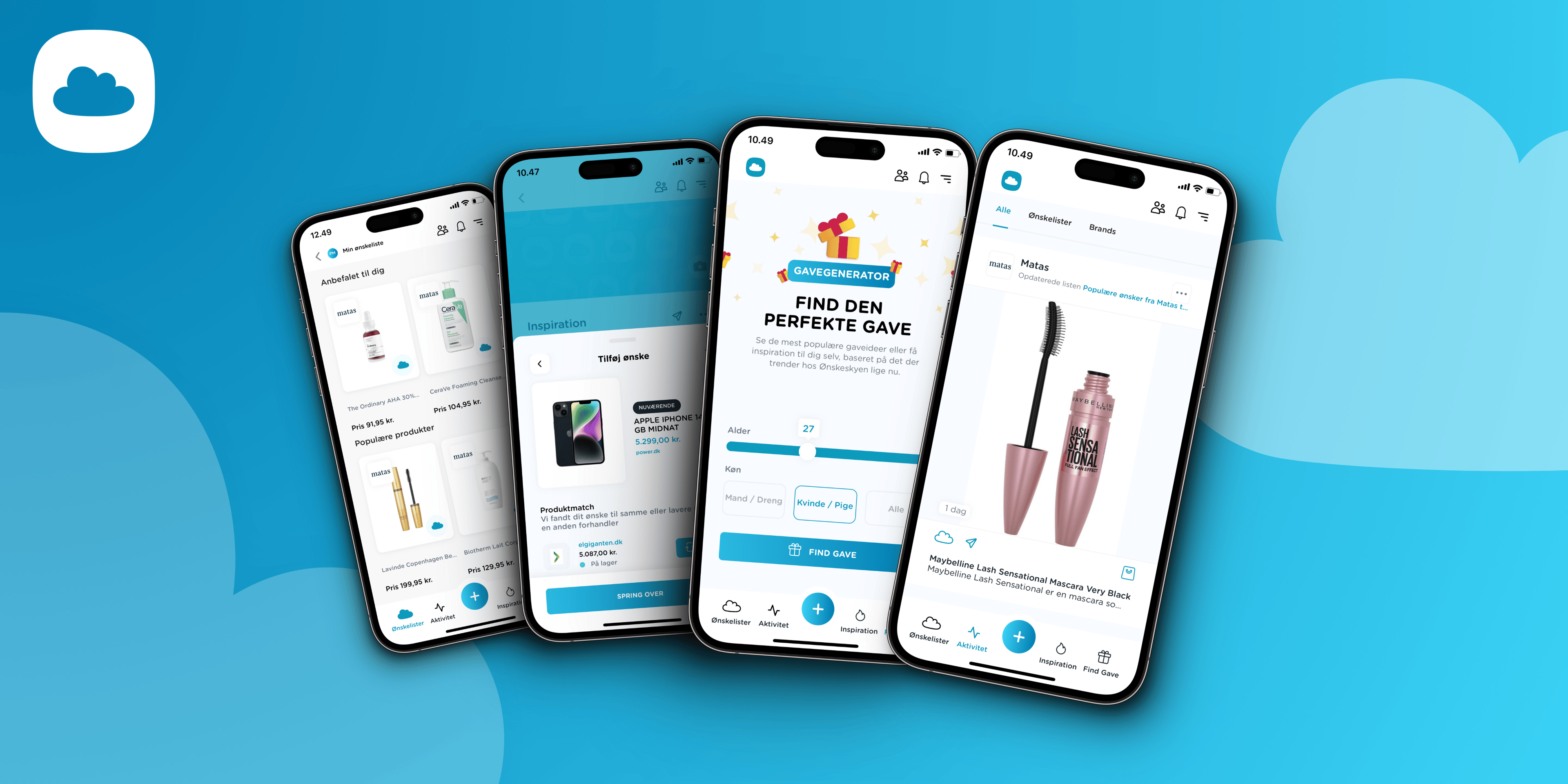

Page-level optimization on the categories that carry the business grew ØNSK's keywords on page 1 by 81%, organic traffic by 206% and traffic value by 580%.

A dictionary, a template archive and a blog, each built for a different search intent. In one year organic traffic grew 482% and the main conversions 1,288%.

An informal analysis of your domain. Classic search and AI-search.
Free SEO analysisBased on experience from more than 3,000 analyses and 1,000+ companies